Table of Contents
What I constantly liked concerning WP is that it equips. EDD just thinks about its customers to be some huge earnings, big company. They do the opposite of sustaining people, as a matter of fact individuals might not know exactly how good the subscription model works and may choose to "save" on the EDD package and take the less expensive one without the subscriptions add-on and they save money when as a matter of fact they shed cash over time.
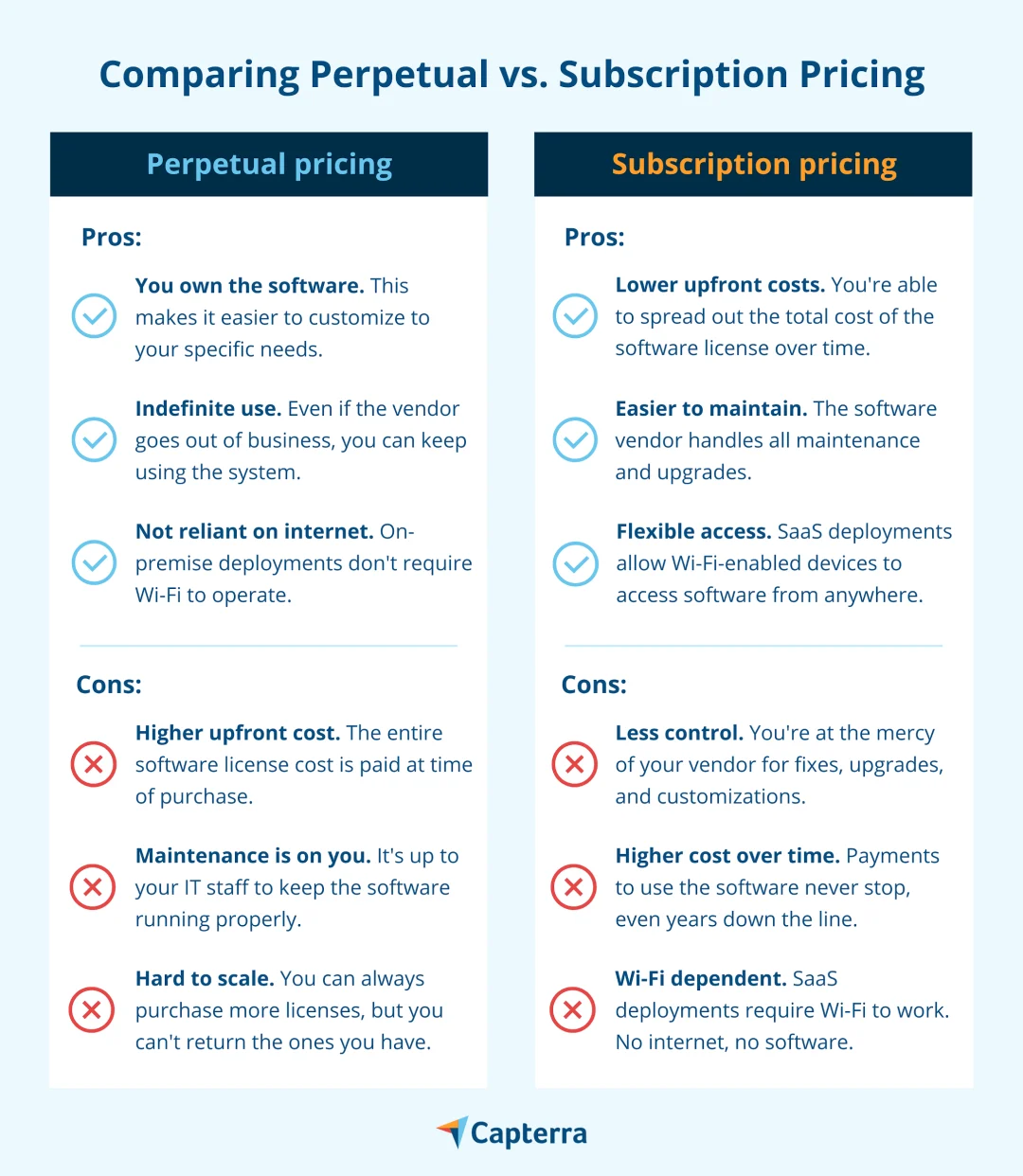
Please enjoy our favored job this year and we'll see you in 2024. At the very the very least, there are optimization chances in virtually any kind of contemporary app. We might make them much faster, possibly by orders of size.
This version is both accurate and helpful. Nevertheless, it's not the way software is packaged, marketed, or offered. To businesspeople and customers, software application is a checklist of features. Take a supply monitoring application as an example. Its marketing products will include a number of high-res supply photos, a bold shade scheme, and declarations like the following: Tracks supply across several warehousesIntegrates with Distribution Pro, Supply Chain And Also, and Super Point-of-Sale systemsWeekly and monthly coverage at several levelsFine-grained access and safety controlsInstant updates throughout all terminalsRuns on Windows, MacOS, and LinuxThese are falsifiable declarations; either the software does these points or it does not.
The software might in reality be really slow, taking a number of seconds to react to a button click, without making the "immediate updates" declare a lie. We can all agree that rate affects an individual's entire experience of an app.
The pressure is constantly on us to develop features, functions, attributes. Designers desire to create quick apps. There's no means to make sure that, allow alone verify it in a product trial.
How Software Tools Are Typically Integrated Into Real Decisions
There's no way to share reliability in a way consumers will both believe and appreciate. The Nimble age has actually shown them that bugs will unavoidably exist and you'll fix them on a recurring basis. And considering that there's no thorough method to measure issues in software program (surely if we recognized regarding them, we would certainly have currently fixed them?) it's not a feature that can be contrasted in between products.
Programmers intend to write bug-free apps. But the market doesn't care. Disk use isn't on the listing either, though sometimes it shows up in tiny, low-contrast print listed below a "Download" button. And of every little thing right here, this one is maybe the very least gotten in touch with competitiveness or quality in clients' minds. When was the last time you criticized a developer (instead of yourself or your computer) when you ran out of disk area? Or picked in between 2 computer game based upon download size? Most likely never.
Maybe it's the one point maintaining the app from collapsing to a halt every four years on Jump Day. Even the smallest energy feature ultimately becomes an artefact of non-obvious institutional understanding. It's simply unworthy messing with. Some developers wish to compose smaller sized applications. The benefits aren't there for the market or for us.
We've somehow blundered our means right into a world where every person else expects software program to be totally free. Developing an app costs anywhere from 50,000 to half a million dollars.
These things are regularly connected to greed, but more frequently they're an outcome of desperation. You publish a distinct, top quality app for what you think to be a fair rate.
What People Should Be Aware of When Choosing Software Applications
You rebuild it on a totally free trial/subscription version. It obtains a few hundred downloads yet only a handful of individuals transform to a paid plan, not almost adequate to cover your prices. You put advertisements in the cost-free variation, despite the fact that it damages your UI developer's heart. You learn that advertisement views pay in portions of a cent.
Customers (who, bafflingly, are still using the app free of cost) whine that there are way too many ads. You exchange some advertisements for in-app purchases. Customers complain regarding those, also. You add call-to-action modals to motivate individuals to pay for the ad-free experience. You learn many of them prefer remove the app.
The cycle goes on, and previously long you no longer have an app; you have a joyless income machine that exploits your users' attention and personal privacy at every turn. We could stay clear of all of this if individuals were prepared to pay for apps.
So applications are significant and slow and damaged instead. Lest I be charged of blaming every person but myself, let's check out the duty of software application developers. There needs to be something we can do better. Also in an economic crisis, programmers have an amazing quantity of leverage. We can demand working with (or not functioning with) certain modern technologies.
We've somehow blundered our way into a globe where every person else expects software to be free. This assumption has actually been ruining to the quality of consumer applications. Building an app sets you back anywhere from 50,000 to half a million dollars. If you can't obtain people to pay heading in, you need to recover prices a few other method.
These things are often credited to greed, but regularly they're a result of despair. Several of the most prominent web sites on the web are simply hardly scraping by. It's hard to overemphasize the waste and inadequacy of a system similar to this. You publish an one-of-a-kind, premium app of what you think to be a fair price.
You rebuild it on a cost-free trial/subscription version. It obtains a few hundred downloads yet only a handful of customers convert to a paid plan, not virtually sufficient to cover your costs. You put advertisements in the totally free variation, also though it damages your UI designer's heart. You find out that advertisement sights pay in fractions of a cent.
Expert Observations on the Use of Software Subsciptions today
Users (who, bafflingly, are still using the application totally free) grumble that there are also numerous advertisements. You exchange some advertisements for in-app purchases. Individuals complain concerning those, also. You add call-to-action modals to encourage users to pay for the ad-free experience. You discover a lot of them prefer delete the app.
You uncover that "retention" and "dependency" may as well be basic synonyms. The cycle goes on, and before long you no more have an app; you have a joyless earnings machine that exploits your individuals' focus and personal privacy at every turn. And you're still not making quite money. We might avoid every one of this if individuals wanted to pay for apps.
Apps are massive and sluggish and broken instead. Lest I be charged of blaming everybody yet myself, allow's examine the duty of software developers.

Navigation
Latest Posts
How Context Shapes Decisions Around Software Applications
What a Sensible Framework for Software Tools Looks Like
How to Think Clearly About Software Tools in the Current Landscape